What’s the Impact of PW1500G Engine Problems?
The PW1500G engine problems have grounded nearly 20% of the global Airbus A220 fleet, causing widespread flight cancellations, maintenance backlogs, and increased costs. While Pratt & Whitney works to stabilize reliability, airlines face operational disruption, higher leasing expenses, and supply chain bottlenecks.
Key Insights on PW1500G Engine Problems
- Technical Causes: PW1500G engines build in Oct 2015–Sep 2021 face premature wear, corrosion, cracking, and failures in metal components.
- Maintenance Challenges: Shop visits average 160 days; up to 40% need major repairs, straining MRO capacity.
- Airline Impact: Widespread flight cancellations, grounded fleets, increased costs, route disruptions, and early fleet retirements (e.g., EgyptAir).
- Pratt & Whitney Response: Upgrades to hardware/software, LLP stack, hot-section, and expanded MRO network to reduce turnaround.
- Supply Chain & Logistical Pressures: Lead times up 35%, bottlenecks in critical components and certified engine stands.
- Future Outlook: Short-term (2025–2026) sees long TATs and logistical bottlenecks. Long-term (post-2026) stabilization expected with upgraded engines and increased MRO capacity.
The Pratt & Whitney PW1500G, a geared-turbofan (GTF) engine designed specifically for the Airbus A220 family, has long been celebrated for its fuel efficiency, noise reduction, and technological innovation. However, the engine is facing serious headwinds driven by reliability concerns and capacity bottlenecks.
A220 Fleets Hit Hard by PW1500G Engine Failures
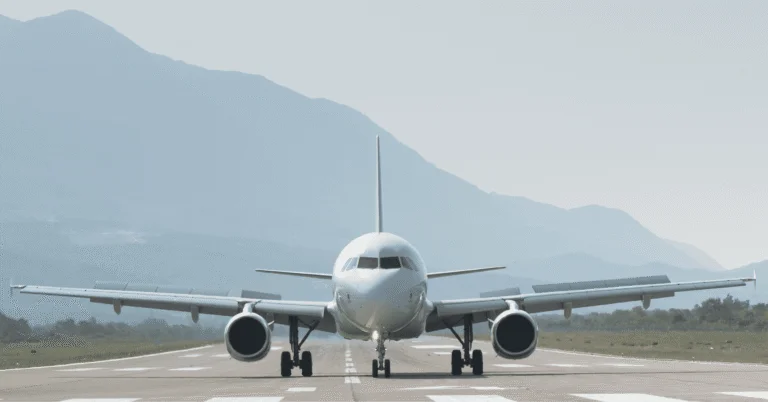
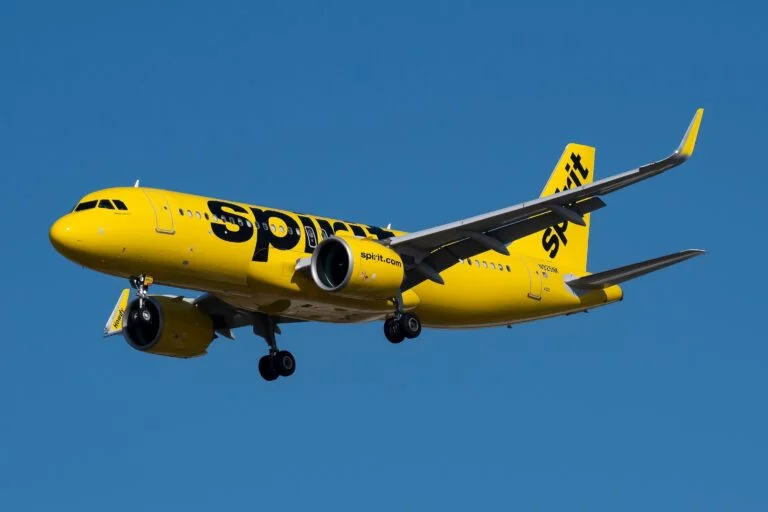
In recent months, the PW1500G has come under intense scrutiny as a significant number of Airbus A220 aircraft have been grounded worldwide. About 76 of the 451 active A220s, or around 20% of the global fleet, are currently out of service due to engine problems.
Within the A220-100 fleet, eleven out of 73 aircraft are inactive: seven in maintenance, including five from Delta Air Lines and one each from Bulgaria Air and Croatia Airlines. Four additional aircraft are in storage, distributed among ITA Airways and SWISS.
The situation among the A220-300 operators is even more severe. Out of 377 A220-300 aircraft, 64 are inactive. 23 are in maintenance or undergoing repair at operators such as Air Austral, Air Canada, Air France, airBaltic, Bulgaria Air, Delta, ITA Airways, JetBlue, Korean Air, QantasLink, and SWISS. Another 41 remain in storage, some awaiting placement with new operators or transfers to lessors.
When combined, these numbers indicate an alarming statistic for a relatively young aircraft type.
Why Airbus A220s Are Grounded?
These disruptions stem from durability issues, with premature wear, corrosion, and cracking affecting critical internal components. A rare condition involving powdered-metal components, such as HPC 8th stage disks, HPT 1st and 2nd stage hubs, and HPT blade retaining plates, in PW1500G engines manufactured between October 2015 and September 2021.
RTX (Pratt & Whitney’s parent company) says these parts must be inspected and, if necessary, replaced sooner than originally expected. Analysts estimate that up to 40% of the fleet will require such maintenance over the next year as engines reach the age where wear problems appear.
The result is a major strain on maintenance resources: engine removal, shop visits, and reinstallation to return to service can take 160 days on average per unit. This extended turnaround time has contributed to widespread engine shortages, as Airbus and Pratt & Whitney’s maintenance infrastructure cannot keep up with the number of engines that require service.
Global Impact of PW1500G Engine Issues on Airlines
PW1500G engine issues have forced airlines to rethink how they manage their spare engines, maintenance schedules, and, in some cases, even their fleet composition.
At the end of October 2025, SWISS decided to ground its entire A220-100 fleet of 9 aircraft because of issues with the Pratt & Whitney GTF engines. The grounding is set to last 18 months to reallocate engines toward their larger A220-300 aircraft. This approach allows the airline to concentrate limited capacity on the most critical parts of its network where fleet can generate the greatest operational and financial value. To mitigate remaining gaps, SWISS has also leased A220-300s from other carriers.
In the Baltic region, airBaltic has experienced 4,670 flights and 19 routes cancelations, which affected approximately 67,160 passengers over a two-year period, directly related to prolonged shop visits and shortage of PW1500G spare units. The airline has increased its short-term leasing of spare engines and collaborated closely with OEM-approved MRO providers. However, the ripple effects on fleet utilization, revenue, and schedule reliability have been substantial, refunds to passengers for cancelled flights alone have exceeded € 1 million.
Additionally, EgyptAir retired its entire 12-aircraft A220 fleet in 2024 as high costs that resulted from engine issues. Korean Air had to ground 40% of its A220 fleet at the peak of the issues in early 2025. Air Austral, which has two of its three A220s grounded, is set to remove its A220 fleet in early 2026.
In the U.S., Delta Air Lines, the largest A220 customer, currently has five A220-100s in maintenance as part of the accelerated inspection cycle. JetBlue also faces ongoing operational uncertainty and has sold Embraer 190 aircraft and grounded some Airbus planes to reallocate engines for maintenance purposes.
Pratt & Whitney Response and Fleet Support Measures
In response to the growing crisis, Pratt & Whitney is aggressively investing in both technological fixes and maintenance capacity. The company has laid out a roadmap to reduce AOG incidents for PW1500G engines to near zero by late 2026 and get GFT in-shop turnaround times down to 110 days. Measures include:
- Technical upgrades: Hardware and software improvements, redesigned LLP stack, hot-section enhancements, and better coatings and materials. Engines are already achieving longer intervals between maintenance cycles, with further improvements expected over the next two to three years.
- MRO network expansion: Pratt & Whitney has invested over $400 million in aftermarket capacity, including partnerships with MTU Aero Engines and ITP Aero. MTU’s GTF shop visits will increase to 600 annually, while ITP Aero plans €100 million investment in its Madrid facility, creating ~200 jobs and supporting PW1500G and PW1900G maintenance.
- Global MRO coverage: The PW1500G maintenance network includes 21 full-service shops across four continents, supported by quick-turn sites and key providers such as Lufthansa Technik, StandardAero, and multiple partners within the International Aero Engines group.
Supply Chain Pressures and Logistical Challenges
Recent IATA data estimates that supply chain challenges this year alone could cost airlines over $11 billion, including $3.1 billion in extra maintenance, $2.6 billion in higher engine-leasing expenses, and $1.4 billion in spare-parts inventory and holding costs. The PW1500G crisis has been a significant contributor to these costs.
The industry continues to face persistent supply chain disruptions that are particularly critical for PW1500G operators. Airlines and MROs are experiencing shortages of critical components, longer lead times for LLPs and hot-section materials, limited overhaul slots, and increased reliance on alternative repairs or used serviceable material. Bottlenecks in specialized forgings, castings, and coated turbine parts have further slowed PW1500G repairs, despite Pratt & Whitney’s efforts in vertical integration and data-driven forecasting.
Lead times have risen more than 35% over the past five years, and PW1500G turnaround times have more than doubled. Industry data warns that global shop-visit demand could exceed capacity by over 17% by the end of the decade, potentially forcing airlines to reduce flights and routes.
As airlines and MRO facilities work through large volumes of engine swaps, the demand for certified PW1500G engine stands has seen a sharp rise. EngineStands.com has become increasingly important in supplying OEM-certified PW1500G-compatible stands that enable safe transport and storage of engines undergoing maintenance. This logistical infrastructure is essential for reducing turnaround times and ensuring that engines can move quickly between aircraft, maintenance shops, and testing facilities.
Outlook of PW1500G Maintenance and Path Toward Stabilization
Meaningful stabilization is not expected until after late 2026, as upgraded hardware enters service and additional MRO capacity becomes available. Until then, operators should expect a period marked by elevated shop visit volumes, extended turnaround times, and ongoing constraints in logistics infrastructure. Even when engines are ready for inspection or repair, a shortage of certified PW1500G stands can delay engine movement between aircraft, MRO shops, and test cells, adding days or weeks to the process and reducing overall fleet availability.
EngineStands.com helps mitigate these constraints by providing OEM-certified and PW1500G-compatible stands through flexible leasing options. Operators who secure stands before their inspection cycles consistently avoid delays from equipment shortages and maintain resilience.